
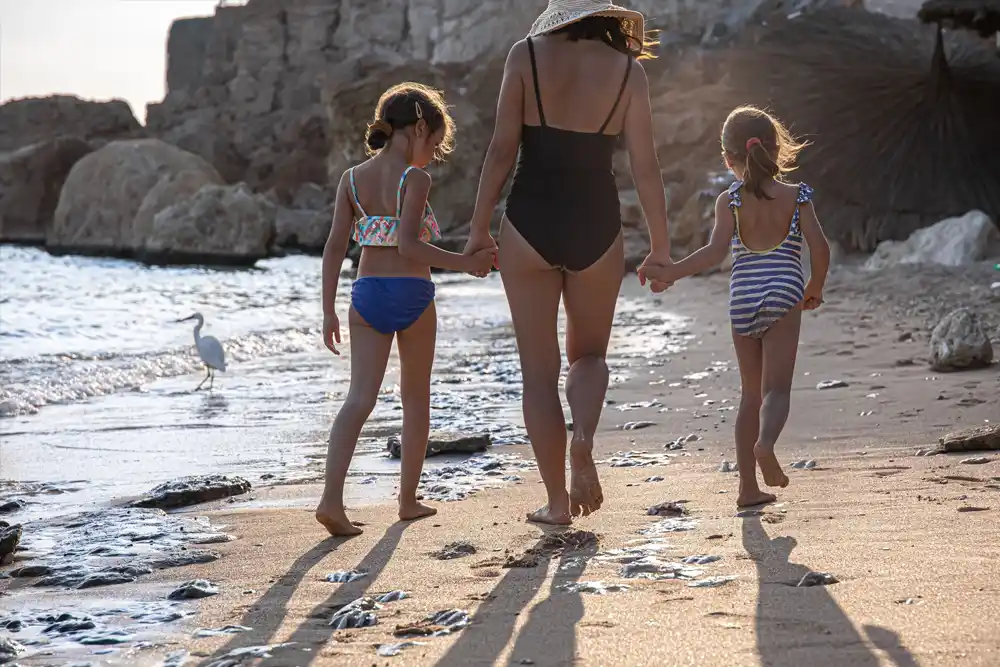
For families who value education as much as the destination.
Planning a vacation with children of different ages in Spain is not just a matter of destination: it is about understanding what stage of development your child is at and what kind of environment he or she needs.
Spain has a real advantage over other European countries: in a few hours you can go from a quiet cove to a cultural city or a mountain environment. This allows you to choose with precision, not by discarding.
This guide does not give generic destinations. It gives concrete places, specific towns and real plans, designed for each stage.
And one more thing: families who choose Spain as a vacation destination are often also considering it as a place of residence and education. If that is your case, you will find something relevant at the end of the article.
Why the age of the child changes everything when choosing a destination in Spain
A 3-year-old needs security, repetition and a controlled environment.
An 8-year-old wants to discover, understand and experiment.
A 13-year-old seeks autonomy, identity and more complex stimuli.
Choosing the wrong destination not only generates frustration: it makes the trip bring nothing real.
The key is simple: don’t choose the most beautiful destination. Choose the one that fits your stage.
Destinations in Spain for 2 to 5 year olds: nature, slow pace and safety
At this age, “plans” are not needed. Environments where the child can explore without effort or overstimulation are needed. Space, calm and accessibility are the three criteria that rule.
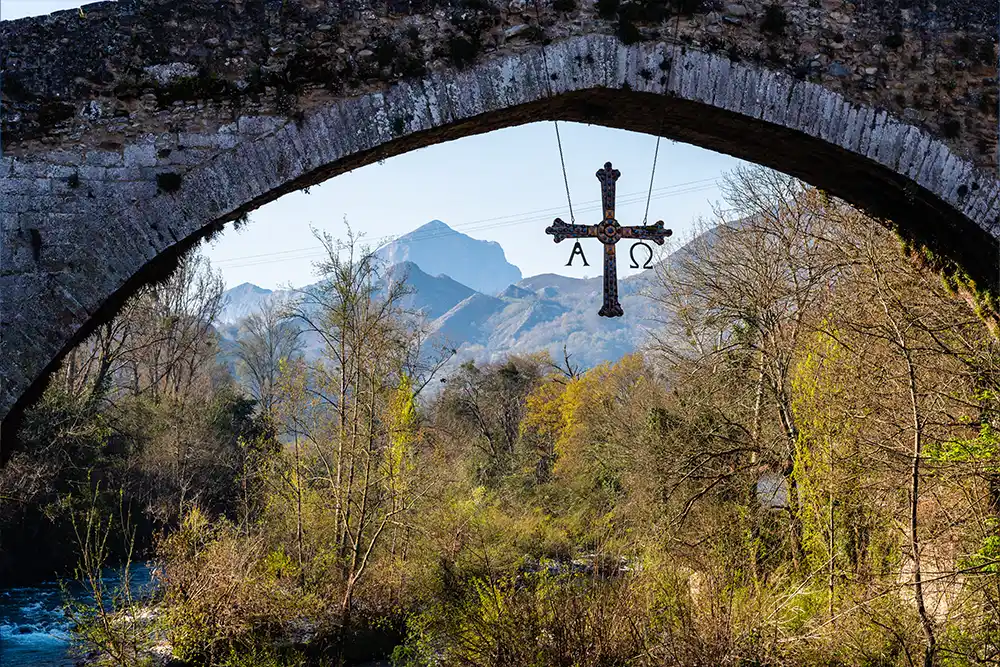
Ribadesella (Asturias) - the most manageable coastal town in the north.
Forget about “Asturias in general”. If you are traveling with small children, go to Ribadesella specifically.
- Santa Marina beach: wide, fine sand, direct trolley access without steps.
- Flat walks along the Sella river, without slopes or long distances.
- Accessible farms and farmhouses in nearby villages such as Cangas de Onís.
No saturation. There is no rush. It is an environment where the toddler can move around without the adult being on constant alert.
Ideal for: autonomous exploration, first experiences with nature, low pace.
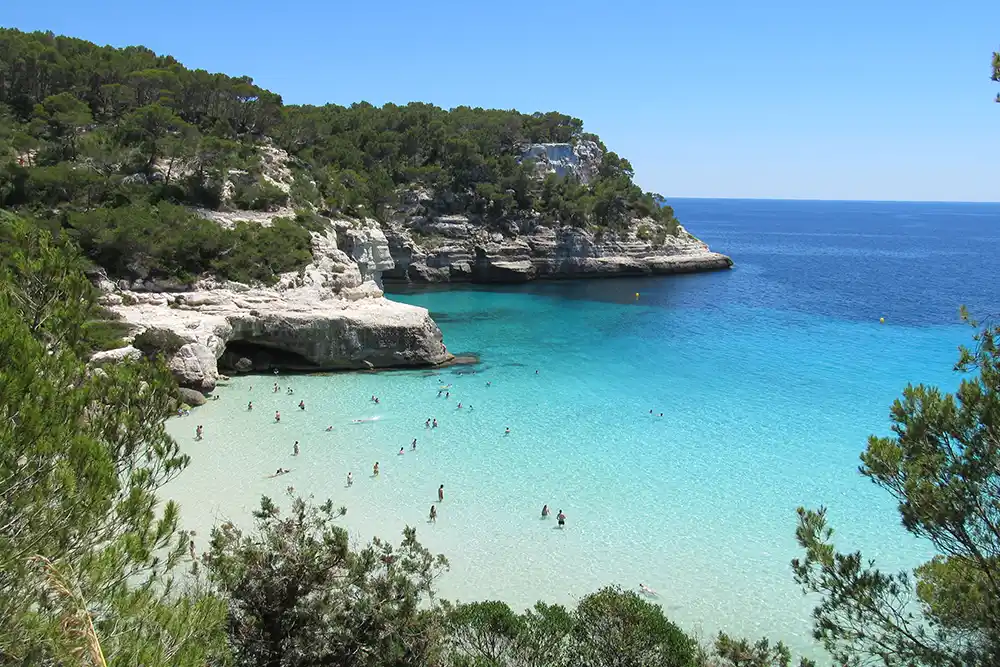
2. Cala Galdana (Menorca) - the safest cove in the Mediterranean for small children.
If there is a place in Spain where you can take a child of 2 or 3 years old to the sea without fear, it is Cala Galdana.
- Entry to the water without steep slope or rocks
- Calm water for tens of meters
- Restaurants literally on the beach (essential when traveling with babies or small children).
Can be combined with:
- Ciutadella: compact old town accessible by stroller
- Short and easy sections of the Camí de Cavalls
Ideal for: families with babies or children up to 4 years old looking for a safe beach.
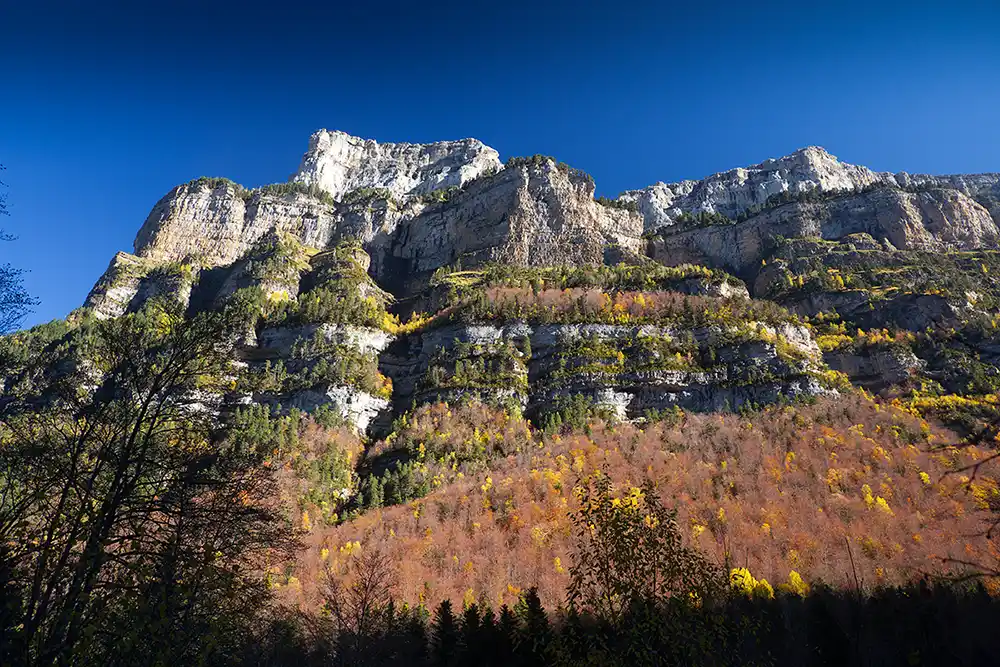
3. La Cerdanya and Puigcerdà (Catalan Pyrenees) - mountain accessible without physical effort.
Ideal base: Puigcerdà.
- Lake with a completely flat circular ride, perfect for children still riding a stroller or tricycle.
- Easy excursions from Llívia or Bellver de Cerdanya
- Open meadows for picnics without technical preparation
La Cerdanya is mountain without mountaineering. Real, effortless nature.
Ideal for: families who want nature and freshness without sacrificing comfort.
Destinations in Spain for children ages 6 to 10: learning, curiosity and first adventures
Everything changes here. It’s no longer enough to just watch: they want to understand how the world works. The ideal destination combines physical activity with intellectual stimulation. Without sounding like an educational plan.
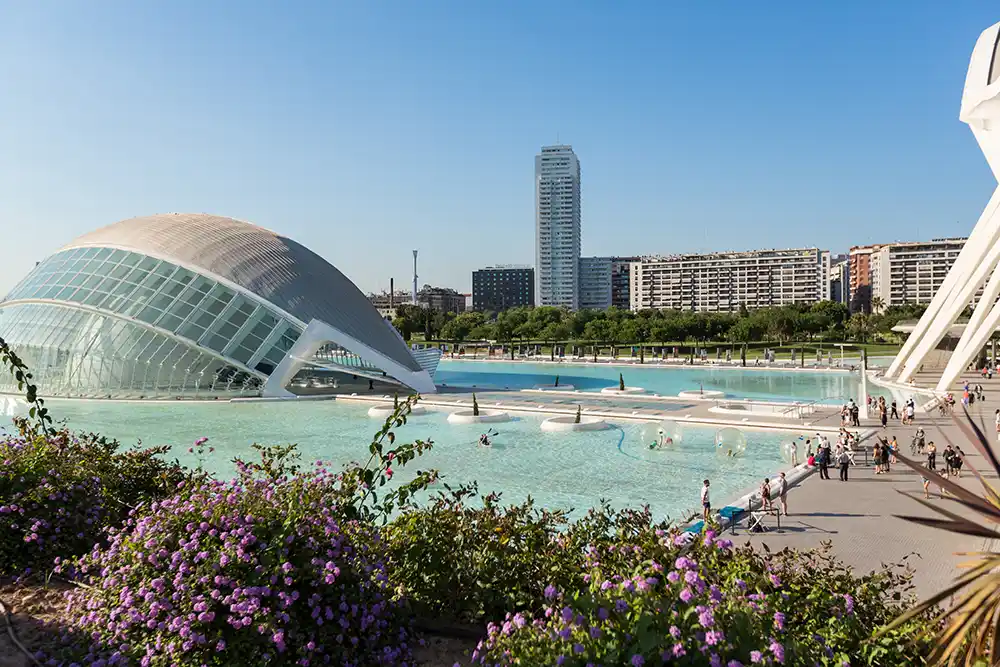
4. Valencia (City of Arts and Sciences area) - science and beach on the same day
Recommended accommodation: Ruzafa or Quatre Carreres area (near the Turia riverbed).
- Oceanogràfic: immediate impact, one of the best aquariums in Europe
- Príncipe Felipe Science Museum: touching, experimenting, not just observing
- Bike ride or route along the old Turia riverbed (8 km of urban bike lane without cars).
Extra key: afternoon at Patacona Beach (less crowded than Malvarrosa, more comfortable for families).
Ideal for: children with scientific curiosity or who need to combine physical activity with learning
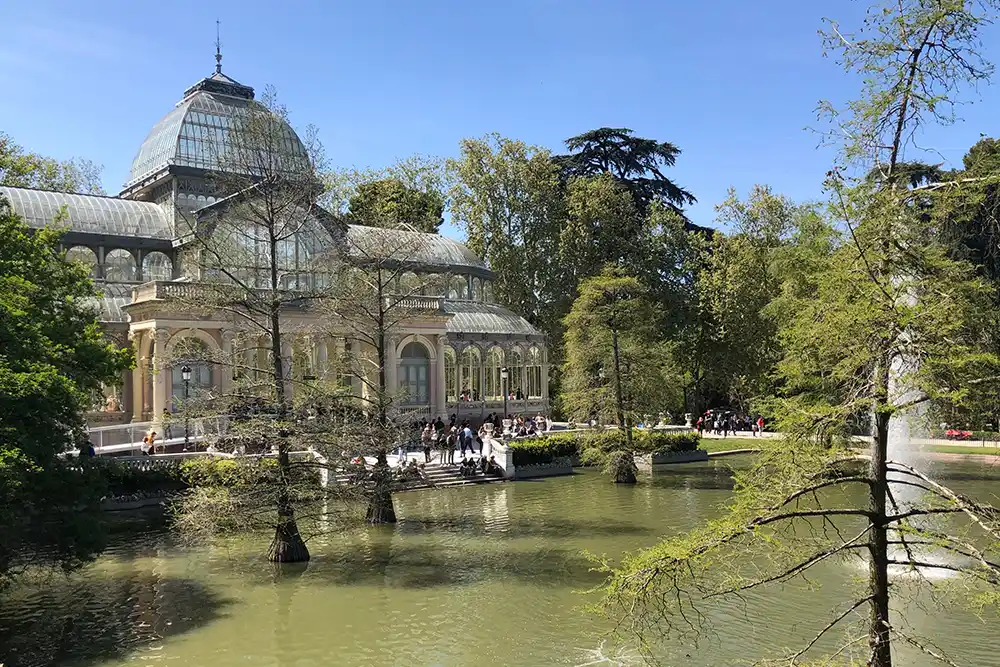
5. Madrid (Retiro area and Natural Science Museum) - cultural city if you know how to move around.
Recommended base: near El Retiro.
- Museum of Natural Sciences: real dinosaurs, mineral collections, it’s not boring.
- Boats at the Retiro + natural playground
- Family theater in Gran Vía (there is a permanent program all year round).
Concrete plan that works: morning museum → afternoon park → evening theater.
Madrid is not easy with children if there is no structure. With structure, it is one of the best cultural destinations in Europe for this age group.
Ideal for: families who want the city, but at a controlled pace and without saturation.
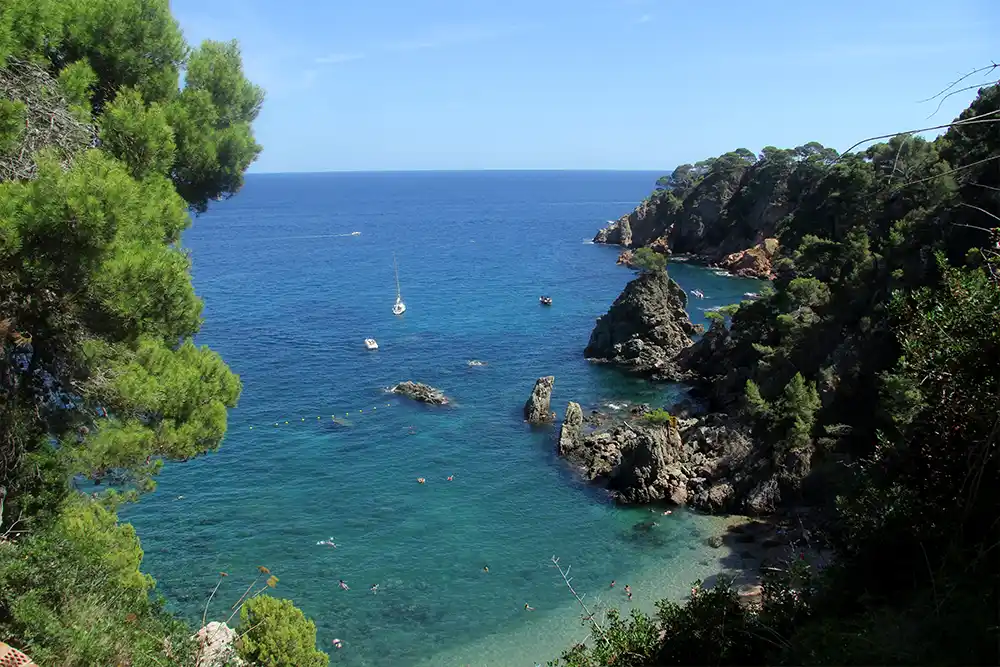
6. Calella de Palafrugell (Costa Brava) - the most balanced town between beach and exploration.
One of the most complete and less crowded destinations on the Costa Brava for this age group.
- Coastal paths to Llafranc (accessible, spectacular scenery)
- Snorkeling in small coves: first real contact with the seabed
- Excursion to Cap de Creus: wilderness, rocks, wind, visual impact
This is not just a beach. It’s active exploration.
Ideal for: children who already have physical independence and want to “discover” on their own.
Destinations in Spain for teenagers (11 to 15 years old): autonomy, identity and in-depth experiences
The trip changes completely. They no longer want to accompany: they want to participate. The ideal destination offers complex stimuli, spaces in which to move around with a certain degree of autonomy and real culture (not museum culture).
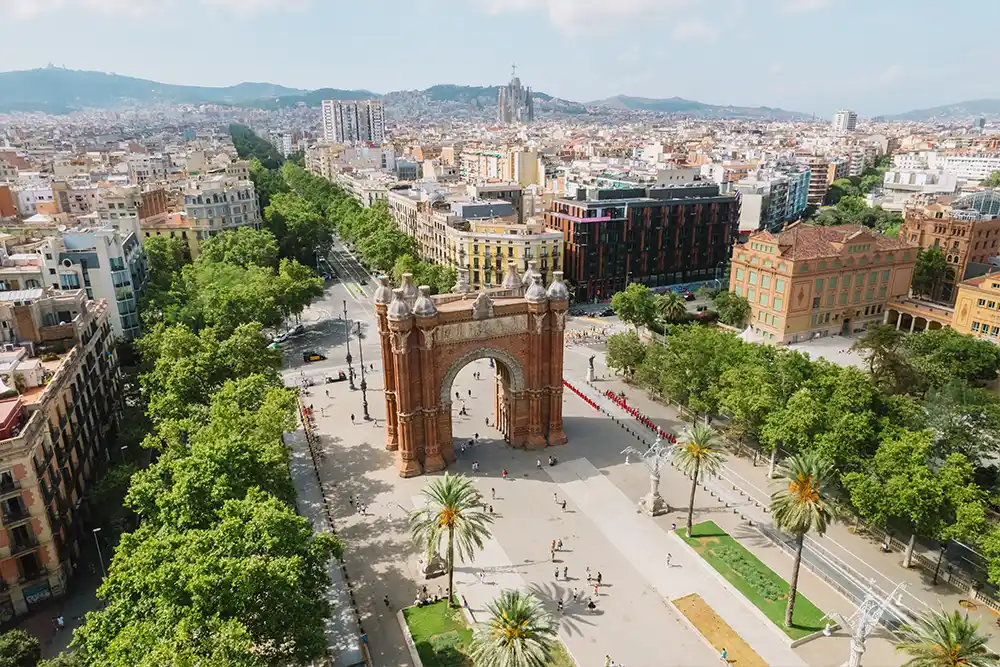
7. Barcelona (Gràcia and Poblenou neighborhoods) - a city that activates thought.
Avoid the most touristic areas. Stay at:
- Gràcia: real neighborhood life, markets, modernist everyday architecture
- Poblenou: modern, creative, close to the sea
Plans that work with teenagers:
- Gaudí route with context: Sagrada Família + Park Güell explained, not just photographed.
- Skateparks or ride in Barceloneta with autonomy
- Excursion to Montserrat: nature, scale, perspective
Ideal for: teenagers with aesthetic sensibility, urbanites, or those who want to feel like they are in a “real” city.
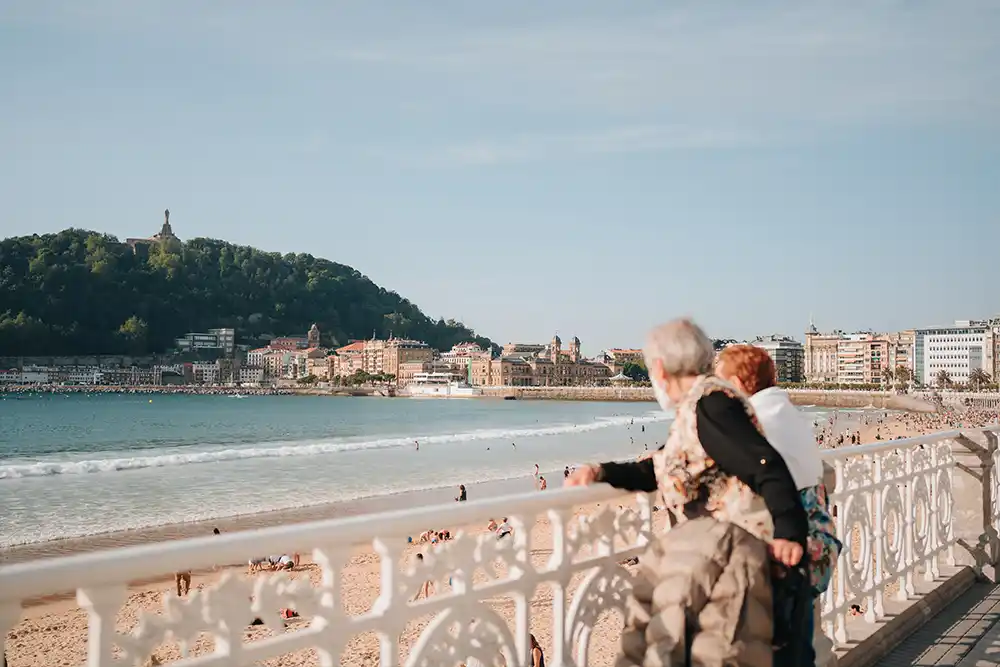
8. San Sebastian (Basque Country) - one of the most complete destinations in Spain for this age group.
Base: Donostia.
- Surfing in Zurriola Beach: there are schools with instructors, accessible from zero.
- Pintxos in the Old Town: learning gastronomic culture actively, not passively
- Excursion to Getaria or Zarautz: coastal towns on a human scale
This is not tourism. It is culture lived through real experiences.
Ideal for: adolescents who already have their own character and respond well to environments with a strong identity.
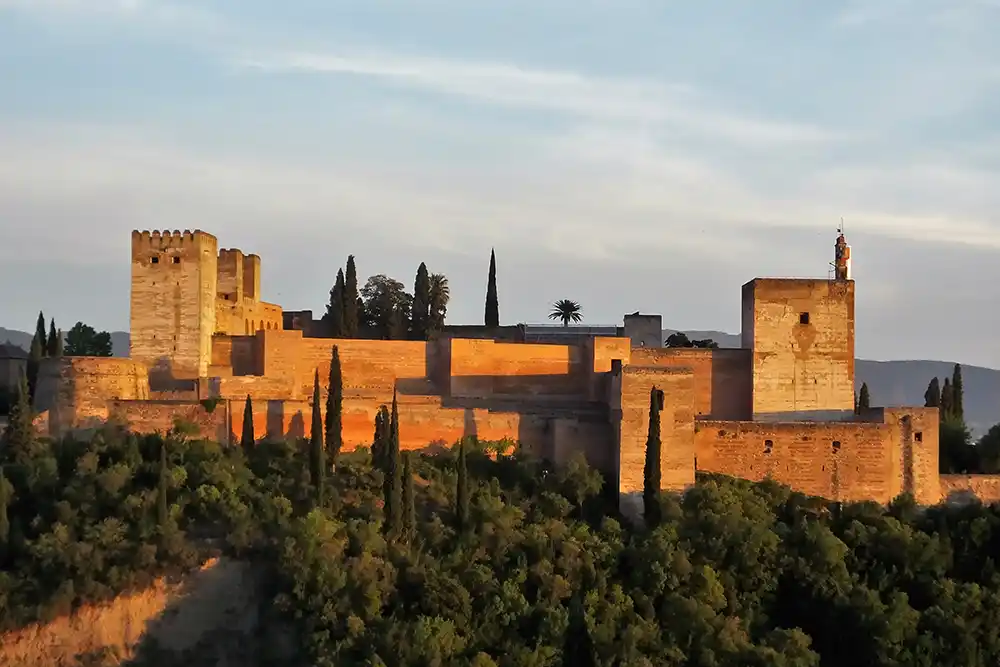
9. Granada (Albaicín + Sierra Nevada) - history and nature in the same trip.
Recommended lodging: Albaicín area.
- The Alhambra well explained (not as an obligatory visit, but as architecture with a real political history).
- Walks through historic alleys where history is not on a sign: it is in the stone.
- Excursion to Sierra Nevada: hiking, seasonal snow, brutal contrast with the city.
Ideal plan: cultural morning + active afternoon.
Grenada is one of the few destinations where a teenager can viscerally understand that Europe has historical layers not seen in any textbook.
Ideal for: teenagers with an interest in history, architecture or who need real geographical and historical perspective.
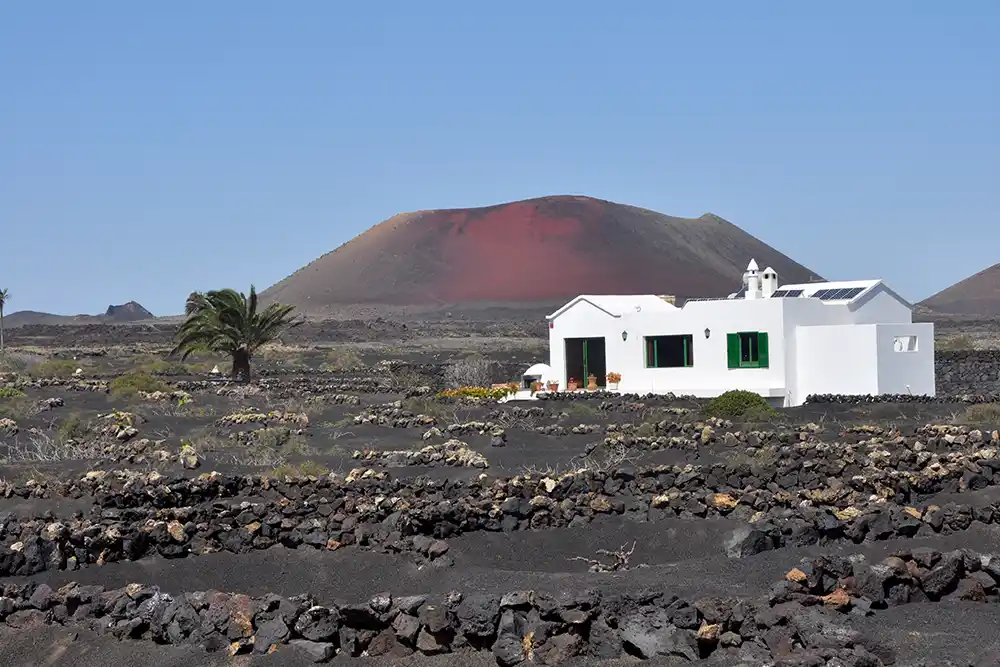
10. Lanzarote (Yaiza and Papagayo area) - the destination that changes the perception of the world.
Avoid the north of the island (massive and saturated areas). Base: Yaiza.
- Timanfaya National Park Volcanic landscape that looks like another planet, immediate visual impact.
- Papagayo Beaches: white sand, crystal-clear water, protected environment
- Surfing initiation in Famara: constant waves, experienced schools
Lanzarote is not “generic Canary Islands”. It is an environment that forces you to ask questions about geology, ecology and human scale that do not arise in any other Spanish destination.
Ideal for: teenagers who need to get out of their usual frame of reference.

Travel as an extension of learning: what the best schools are already doing
Good travel is not about accumulating destinations. It’s about building experiences that connect with what children are already developing.
The leading schools in Spain know this. That’s why they integrate outings, projects outside the classroom and experiential learning programs into their model. Not as an extra: as part of the educational core.
Families who seek destinations with their children with this level of intentionality – thinking about what each experience brings, not just entertainment – are often the same ones who demand the same from the schools where they enroll their children: rigor, context, real development.
Best Schools in Spain (BSS) is the reference association of top-level private schools in Spain. It brings together schools that work with exactly this approach:
- Critical thinking and active learning
- Bilingual and international programs (IB, A-Levels, mixed baccalaureate)
- Highly demanding communities of national and international families
- Environments where education outside the classroom is not anecdotal
If you are evaluating where to live or where to enroll your children in Spain, the starting point is here:
Frequently asked questions about vacations with children in Spain
What is the best destination in Spain for children from 2 to 5 years old?
Destinations such as Ribadesella, Cala Galdana or Puigcerdà stand out for young children for a common reason: they offer safe environments, quiet pace and accessible nature, which facilitates a comfortable vacation for the whole family.
Which destinations in Spain work best with children from 6 to 10 years old?
Places that combine learning, activity and leisure work particularly well for this age group. Valencia and Madrid are good urban options if well planned, while Calella de Palafrugell offers a very interesting balance of beach, exploration and outdoor activity.
Which destination in Spain is best for teenagers?
Barcelona, San Sebastian, Granada and Lanzarote are especially attractive destinations for teenagers because they combine autonomy, culture, landscape and real experiences, which is key at this stage.
Is it worth traveling in Spain with children compared to other European countries?
Yes, one of the great advantages of Spain is the diversity of environments within walking distance: beach, mountains, cultural cities and nature in relatively short distances. This gives families a lot of flexibility when traveling with children.
How does travel relate to children's education?
Travel can reinforce skills such as curiosity, adaptation, observation and critical thinking. That’s why many families who care about school choice also place a high value on how, where and why they travel with their children.